
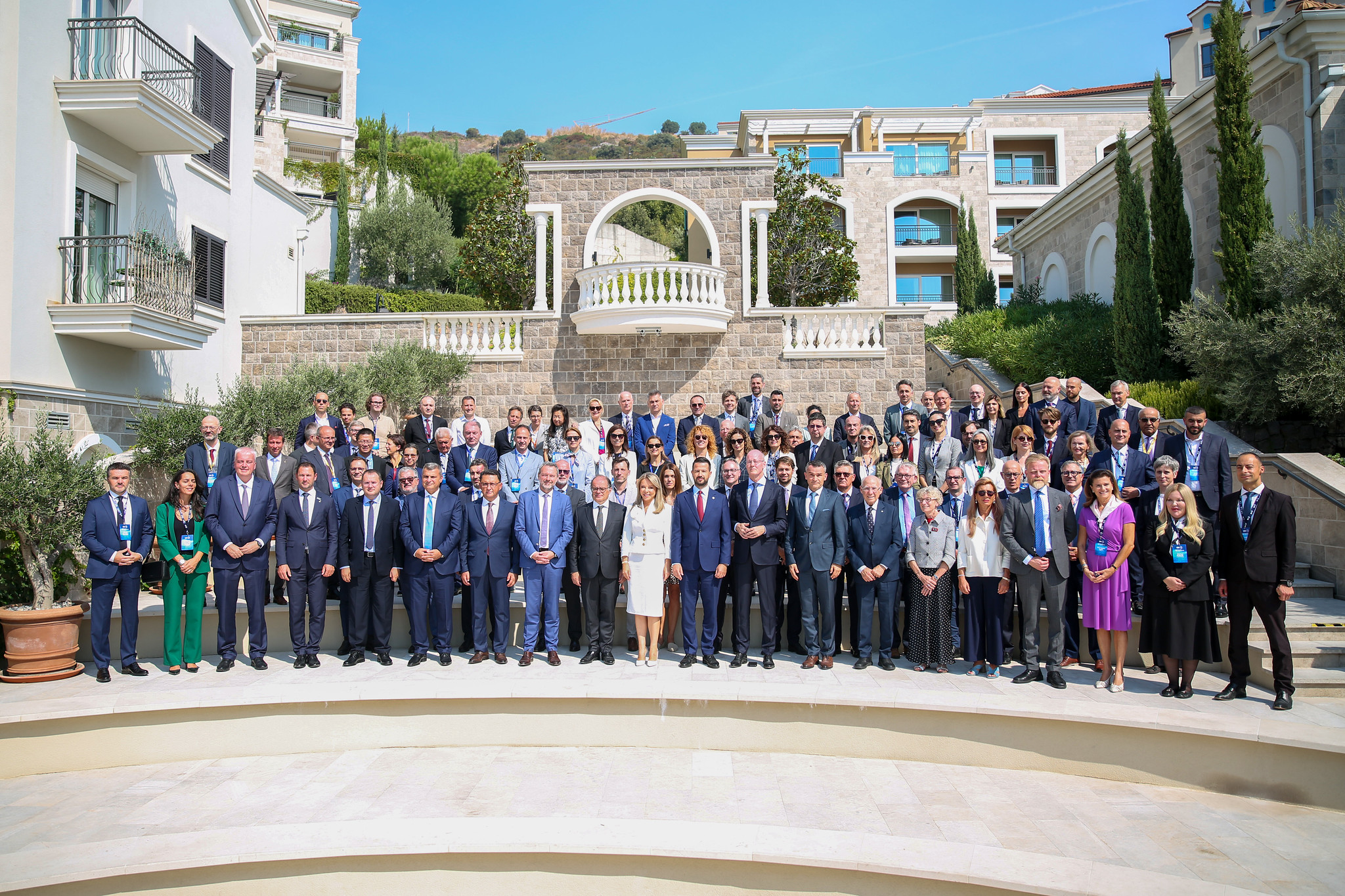
Last week, Paylume’s Kjeld Herreman and Fabien Depasse attended the Central Bank of Montenegro 25th Anniversary High-Level Conference on “Central Banking in a High-Risk Environment: Stability, Infrastructure and Trust.” The conference brought together central bank governors, senior policymakers and distinguished representatives of international financial institutions to discuss the evolving role of central banks in an increasingly uncertain global environment.
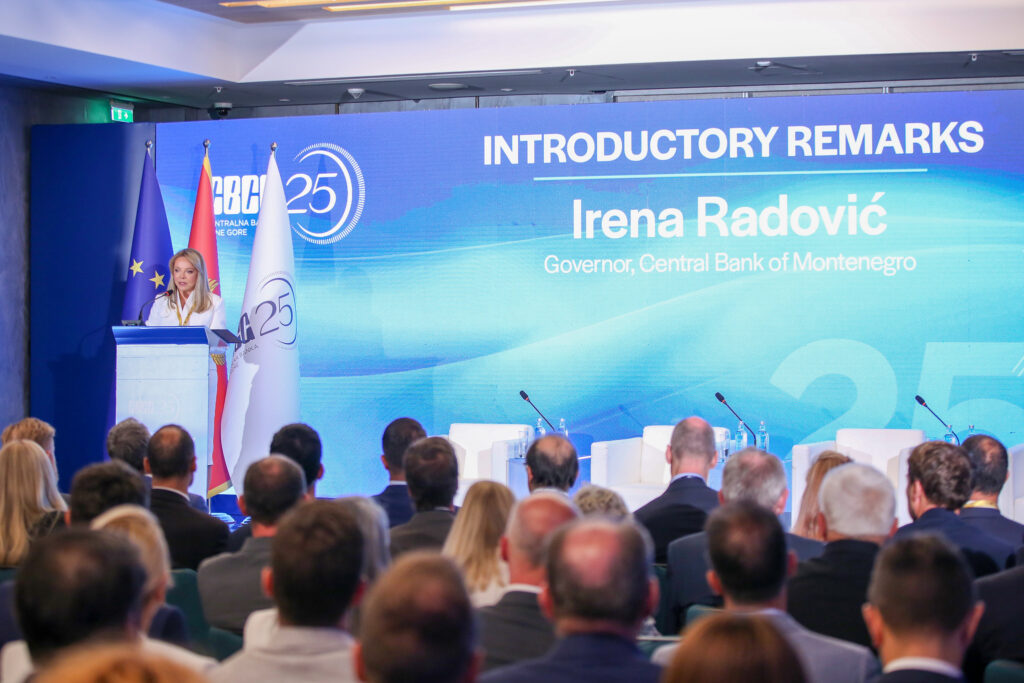
Here are the takeaways we see as most relevant for the payment space
- Financial stability is under pressure, a concern raised across several panels throughout the conference, with central bank independence repeatedly stressed as a cornerstone of that stability. This also depends on alignment with political and, notably, fiscal policy, as monetary authorities cannot deliver stability in isolation when fiscal direction pulls the other way. Recent supply shocks have further underlined how exposed the system can be.
- While central banks are strong at identifying the risks related to this new environment and designing the adequate policies to mitigate them, there is an opportunity to consider how revisiting older, well-established risks might help. In a heavily regulated market like the EU, reassessing which of these long-standing risks remain pertinent could allow buffers to be adjusted in places, supporting the competitiveness of the European banking sector.
- The creation of AMLA will profoundly change reporting requirements for the institutions it targets, but it may also bring something long overdue: harmonisation of those requirements across European countries. PSPs attempting to build pan-European solutions currently struggle with the absence of such harmonisation, facing divergent rules market by market.
- New technologies such as digital assets bring emerging risks that regulators are still working to understand and manage, though they are not overly concerned at this stage given the relatively low volumes developing so far. The panel also mentioned how the PONTES project, and later Appia, could help deliver on those promises at the European level.
Through the day, it was highlighted how projects that can seem technical at first are actually the cornerstone that enables more integration and harmonisation, two necessary conditions to EU alignment, which, given the right conditions, could lift GDP by around 30% over the coming decade.
The progress Montenegro has made positions the country as a front runner to become the next member of the EU by 2028. We see the whole region following that model, notably through the adoption of the TIPS Clone project by Bosnia and Herzegovina, already live with some of the banks, as well as Kosovo and Albania, both scheduled to go live by the end of the year. Beyond integration into the European landscape, this builds strong rails that also serve as foundations for overlay services in the domestic markets.